

Beyond Worker Voice
Why the Future of Ethical Sourcing Also Requires Artisan Voice

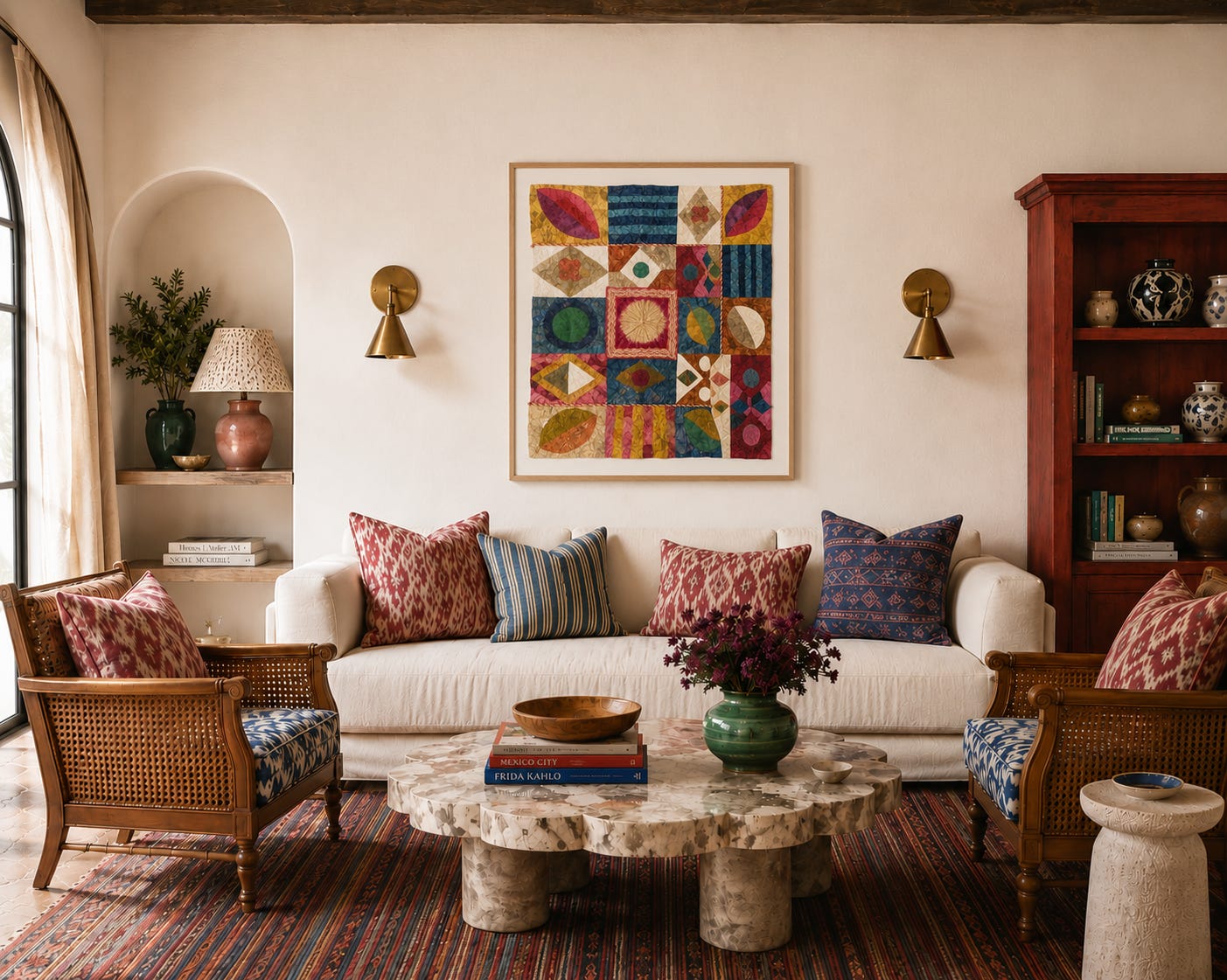
Last week, we opened The Art of Craft in Charleston at the Allegory Art Collective.
The exhibition affirms something we believe deeply - that traditional artisans are not simply preserving craft. They are creating art.
Thanks to the creative visionaries of Tanana Madagascar and our partners at the Allegory Art Collective, we had the privilege of unveiling some truly exquisite works. We also showed pieces from the Proud Mary collection - and what connected them all was not a shared aesthetic. It was the presence of individual creative vision. Each piece reflected a distinctly personal way of seeing the world. Some artists explore native flora and fauna. Others draw on rituals or landscapes that have shaped their communities for generations. Some work in paint, others in embroidery or weaving.
It also brought us back to an idea we recently started to explore: How should we center the creative voice - the artisan voice - within the broader conversation around ethical sourcing?
Over the last two decades, the ethical sourcing sector has talked a lot about worker voice. And it has indeed become one of the most important tenets of responsible supply chains. It has encouraged companies to listen more closely to the people closest to the work, recognizing that those workers are often the first to identify unsafe conditions, unfair practices, or opportunities for improvement.
Since the Rana Plaza factory collapse in Bangladesh in 2013, the increased adoption of worker voice programs have strengthened worker feedback mechanisms, anonymous grievance channels, and overall dialogue between workers and management. All of this has moved ethical sourcing beyond periodic audits toward continuous conversations with the people inside factories.
Yet worker voice asks only how people are treated while they create. What if we ask how workers - or better yet creators - are treated once they create? How is their creativity recognized once the work exists?
This is what we mean by artisan voice.
Artisans in the craft sector contribute something that extends beyond labor alone. They are making creative decisions. They choose color palettes rooted in memory, compositions shaped by generations of cultural knowledge, motifs inspired by landscapes, rituals, and lived experience.
And we certainly celebrate artisans for their extraordinary craftsmanship. We admire their intricate techniques and remarkable skill. But too often, the conversation stops there. Rather than taking the conversation in the direction of “Who created this?” we instead ask “How was this made?” The artisan becomes known for mastering a process rather than for expressing an original artistic vision. We celebrate the technique while overlooking the individual imagination behind it.
When we recognize artisans as creative authors, new possibilities emerge - not only for artists themselves, but for the entire craft sector. An original work of art is no longer limited to a single transaction. It can be exhibited, collected, licensed into thoughtfully designed products, and continue generating value for the artist long after it is created.
That is the power of recognizing authorship rather than simply production.
Just as worker voice has helped build healthier supply chains by recognizing the dignity and agency of workers, artisan voice has the potential to help build more vibrant economies - ones that recognize authorship as enduring sources of value.
There are many ways to operationalize artisan voice. Rather than speaking on behalf of artisans, we can create space for them to speak for themselves. We can commission original artwork rather than anonymous production. We can publish artist interviews, share sketches and sources of inspiration, credit artists by name, and build royalty models that acknowledge ongoing authorship rather than one-time execution.
We don’t see artisan voice as replacing worker voice. One protects dignity in production. The other protects authorship in culture. And the future of ethical sourcing shouldn’t require choosing between the two.
In fact, we believe the strongest partnerships between brands, retailers, and craft communities will embrace both - ensuring that artisans are not only fairly treated but fully recognized as artists whose ideas, perspectives, and creative contributions deserve visibility, attribution, and lasting value.
The challenge for our industry is no longer simply to build ethical supply chains. Artisanship as a means to a commodified end will only get us so far. What if our challenge is to build creative economies that recognize the full humanity of the people within them - as workers whose rights deserve protection, and more importantly as artists whose creative voices deserve recognition?
What potential can we unlock when we take on that challenge?
Because the future of craft isn’t only about improving the conditions under which beautiful things are made. It’s also about recognizing the creative voices that make those things beautiful in the first place.
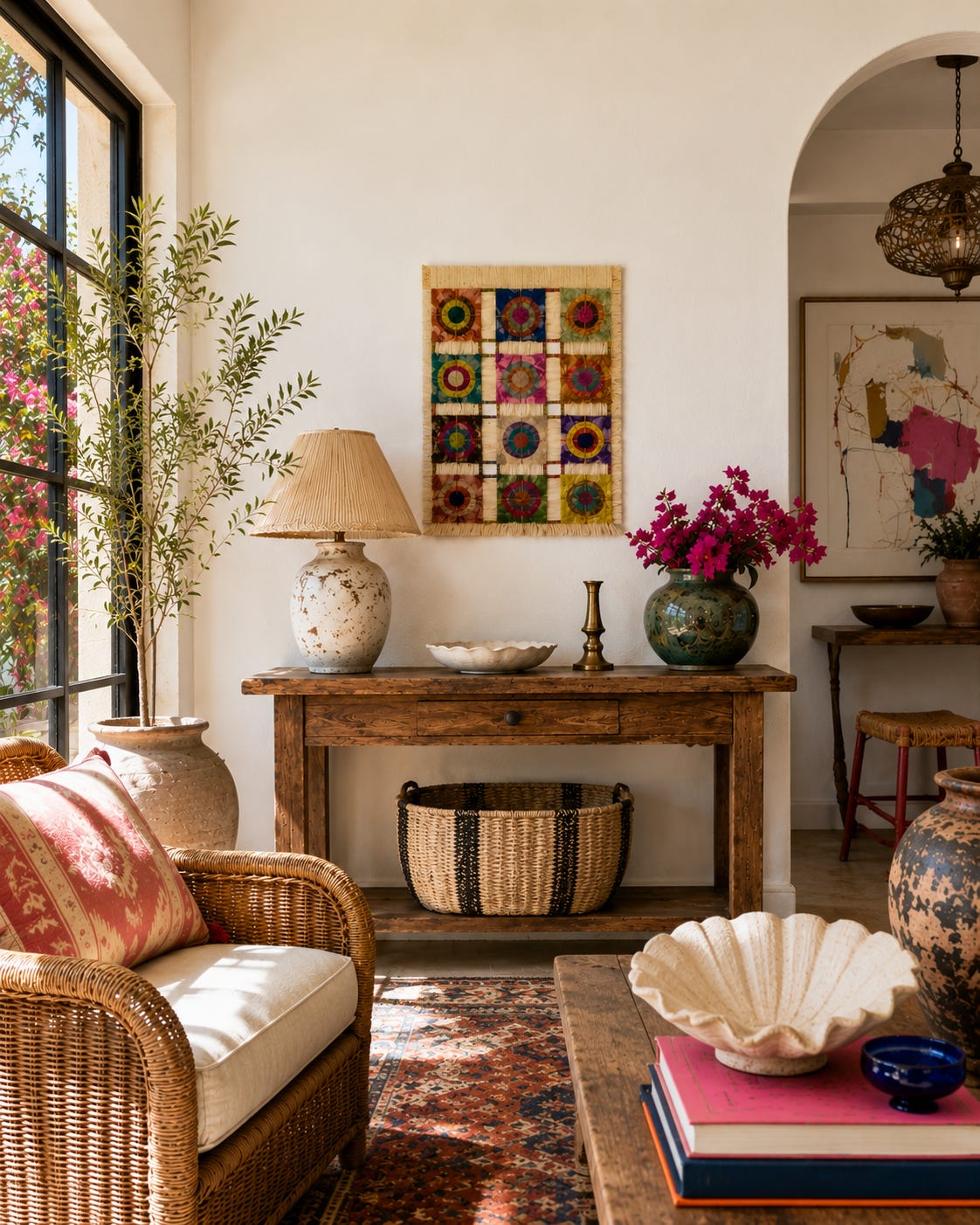
What’s Inspiring Us
It’s so important to stay inspired these days. In closing, here’s a bit of where we’ve been finding hope, beauty and inspiration.
Aesthetic Inspiration
Harper: I’ve spent the past 6 weeks by the sea in South Carolina…beach walks, sea turtle hatchings, and lots of swimming. I've clearly got shells on the brain and in my algorithm and this stack from @olivia_in_the_wonderland_ is what dreams are made of.

Cultural Inspiration
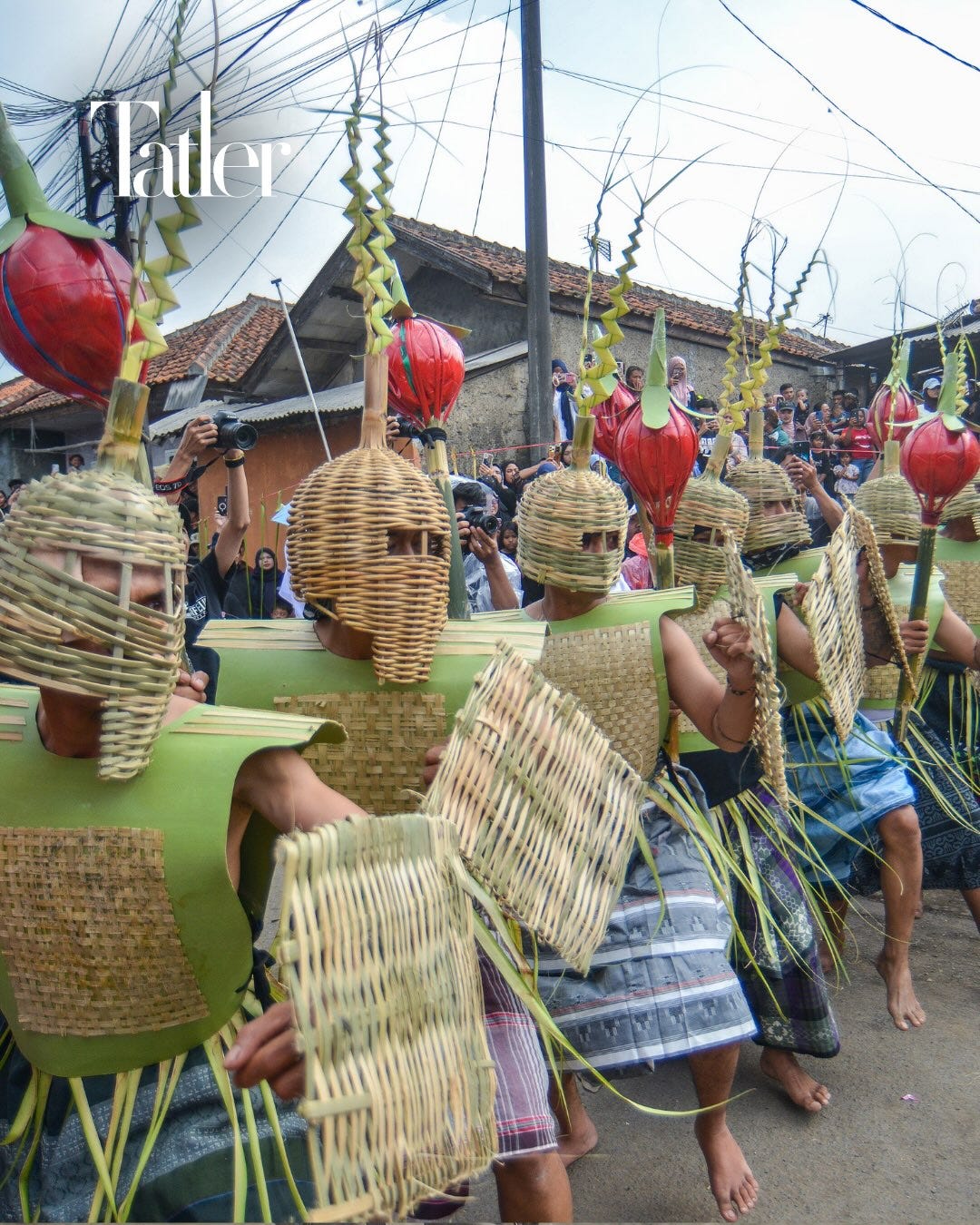
Harper: ‘Rempug Tarung Perang Tomat’, West Bandung's (West Java) Tomato War Festival started in 2011 as a protest to the dramatic drop in tomato crop prices. Last month, the festival resumed after a 6 hiatus. The festival symbolizes casting away of negative energy and bringing in hope for a strong harvest. The woven costumes are incredible. True works of art.
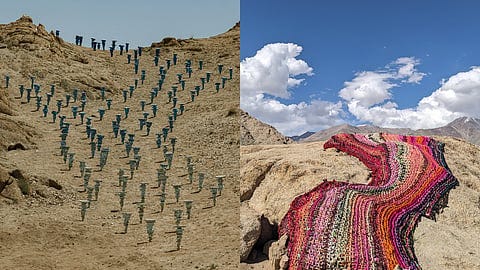
Benita: I recently discovered the sā Ladakh Biennale, which opens on August 1. Set in the Himalayas, it brings contemporary artists together with traditional makers, using the breathtaking landscape of the Himalayan highlands as its gallery backdrop. It’s such a beautiful example of the intersection of craft, art, culture, and the natural world - and a reminder that some of the most compelling conversations about contemporary art are happening far beyond the walls of a museum.
Intellectual Inspiration
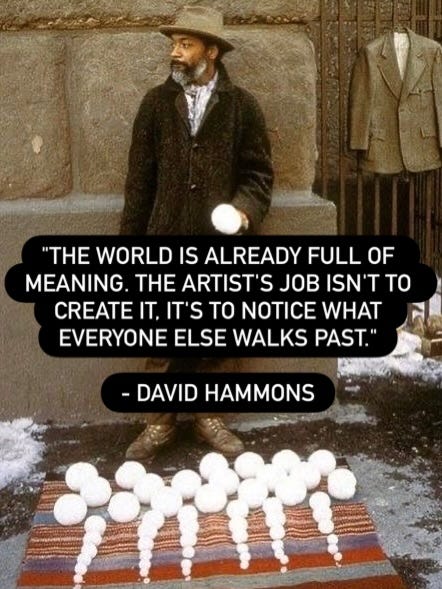
Harper: This quote by artist David Hammons spoke to me this week. Curiosity, and being present enough to notice things, might be what bringing art into the world is really about.
Benita: Harper recently sent me this fascinating interview with Ayaz Basrai of Busride Studio in India in The Ideal Home and Garden. His thoughts on “craft-washing” and the “value waterfall” of craft supply chains are so spot on and well-said. And he closes with a pretty radical idea for the craft sector… well worth the read here.
—
If you made it this far, we’re grateful for you. And if you didn’t, hopefully that means you’re on ProudMary.co buying some fine folk art for your home and all your inspired spaces.
Till next time. Proud Mary